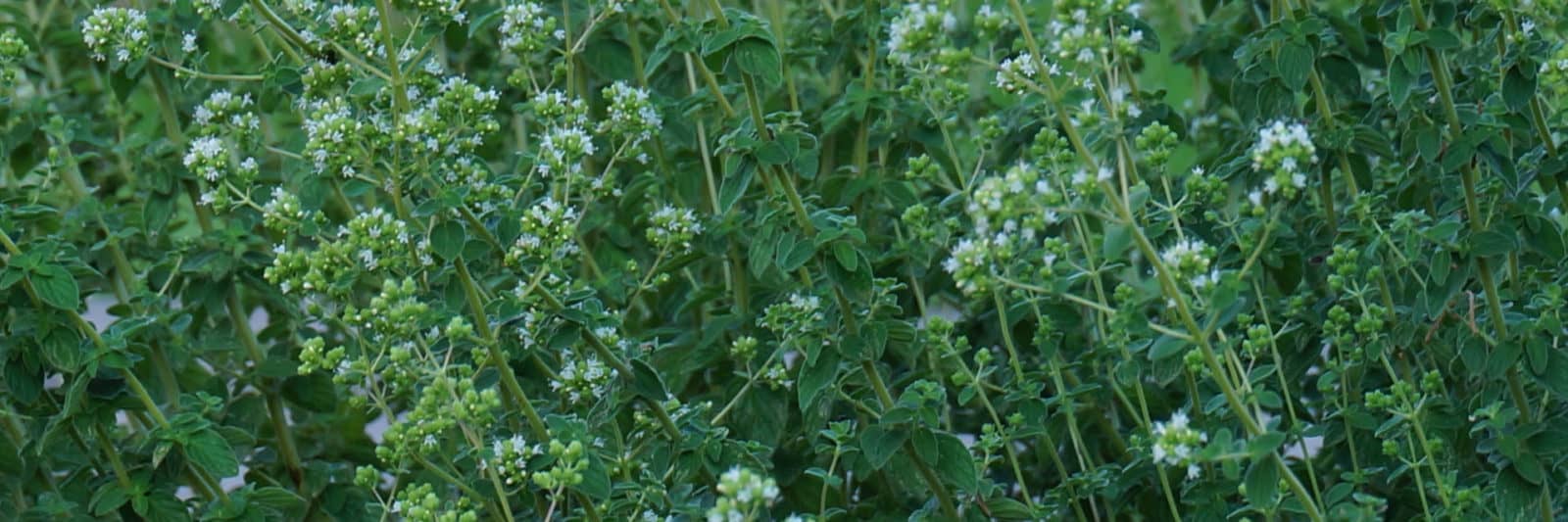
The Feast of Tabernacles is the most exciting celebration of the 3 feasts that the Lord appointed for His people. His commemorative parties flow from spring Passover and Pentecost to autumn Tabernacles—no surprise, gardeners, to enjoy a happy, full, rejoicing moment at this ingathering of all the year’s harvests. Hallelujah, the hard work is done!
…and last, the festival of ingathering, at the end of the year, when you gather in from the fields the results of your efforts. Exodus 23:16 CJB
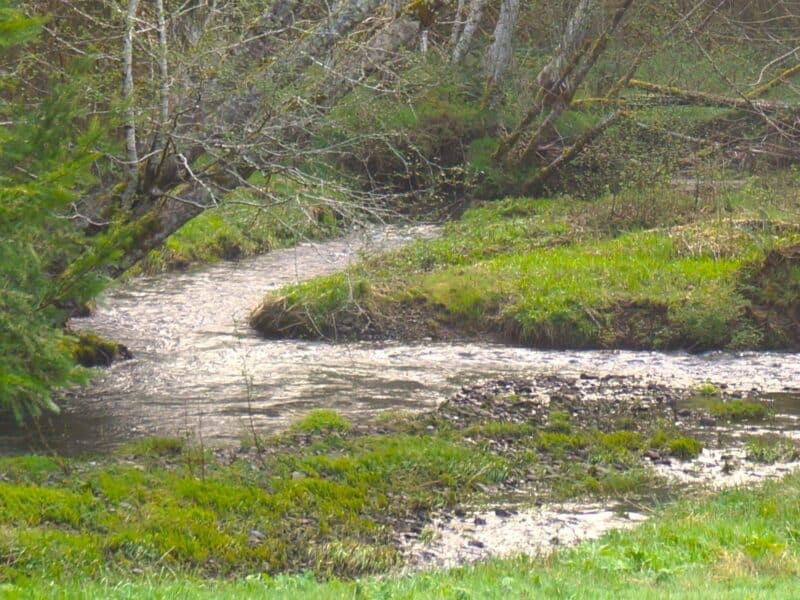
However, there is much more to the holiday than a harvest celebration. Feast of Tabernacles traditions are intricately layered, requiring a little digging into God’s Word to reveal their connections and meanings, and today I have a “big dig” that brings us all the way back to the river in the Garden of Eden.
Celebrating Feast of Tabernacles
This festival, a 7-day observance beginning on the 15th day of the 7th month in the Hebrew calendar (which falls tomorrow eve, September 25th, 2026), goes by several different names: Feast of Ingathering, Feast of Booths, Feast of Tabernacles, or Sukkot, its Hebrew name. Though the Lord called this end-of-season festival for gathering fruits of the land, His Word deepens the observance across additional Scriptures for understanding and decorating this holy moment.
“‘On the first day you are to take choice fruit, palm fronds, thick branches and river-willows, and celebrate in the presence of ADONAI your God for seven days…You are to live in sukkot for seven days; every citizen of Isra’el is to live in a sukkah, so that generation after generation of you will know that I made the people of Isra’el live in sukkot when I brought them out of the land of Egypt; I am ADONAI your God.’” Leviticus 23:40, 42-43 CJB
The showcase goes beyond a bountiful harvest to become a precious memorial to the sukkot—temporary shelters, booths, tents, or tabernacles—that the Israelites lived in, revisiting the discomfort and bewilderment that marked their desert days (and as it turned out, decades!) living in Sinai. They lived humbly, yet all the while, the dramatic display and ongoing company of God’s Presence was visible, in pillar of cloud by day and fire by night. Temporary shelters, yes; yet staked in the greater reality of ADONAI, Immanuel: God-with-us, an eternal promise.
Circling back around, the gathering of branches draws hearts back to the tree-filled life in the Garden of Eden, where Adam and Eve enjoyed the Lord’s Presence in eternal tabernacle, under verdant canopy, fruit-laden and lovely, a haven for communion with God.
The Eternal God planted a garden in the east in Eden—a place of utter delight—and placed the man whom He had sculpted there. In this garden, He made the ground pregnant with life—bursting forth with nourishing food and luxuriant beauty. He created trees, and in the center of this garden of delights stood the tree of life and the tree of the knowledge of good and evil. Genesis 2:8-9 VOICE
You may remember the river that watered the Garden?
A river flowed through Eden and watered the garden. From there the river branched out to become four rivers. Genesis 2:10 NCV
Its branching into 4 rivers provides a majestic backdrop for the 4 species of branches waved in celebrating this fall feast—a fresh revelation for us and current invitation to step into the flow of life in Holy Spirit, whoosh! Come with me and discover hints of this wonder hidden in the horticulture.
4 Rivers and 4 Species
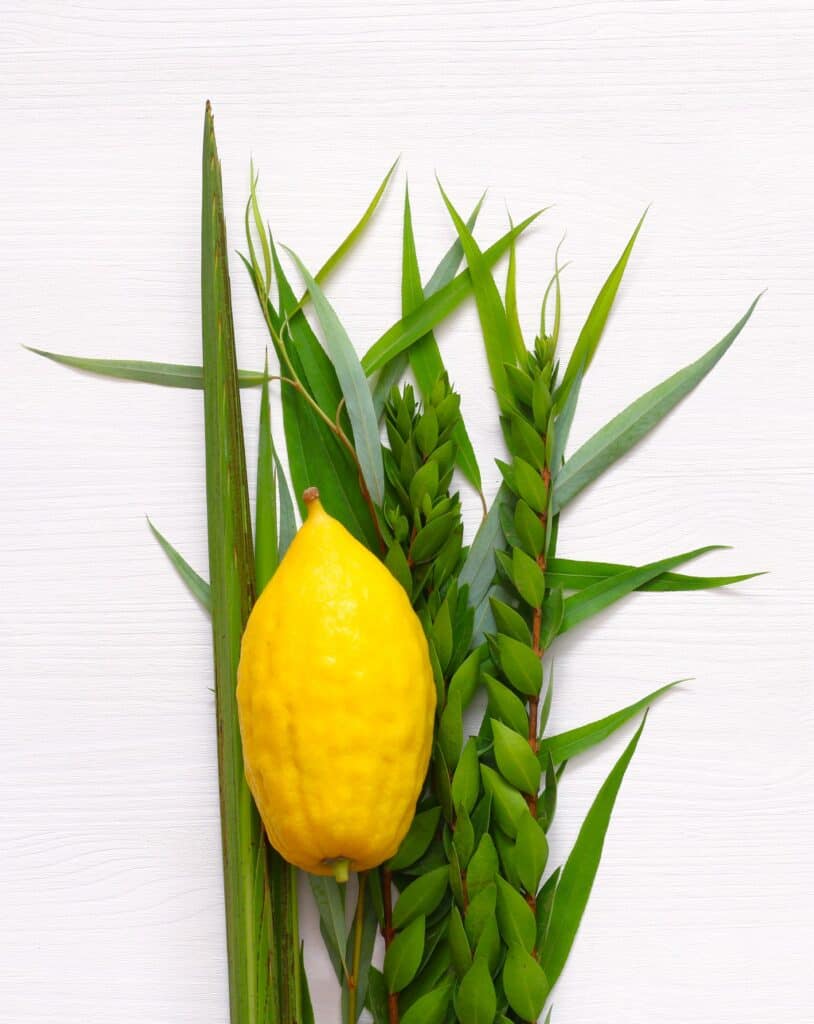
In my years of studying the plants of the Bible, I have always found the 4 species a bit bewildering—a touch of the Sinai state-of-mind, ha! The feast celebrated the harvest, also brushing with the Garden of Eden imagery and its abundance of fruits. So why hail with leafy boughs? These plants for the most part sideline fruit crops when fruits seem to be such a focus of Eden life. Hmmm.
Then one early morning this summer, I was reading Genesis in The Passion Translation, which reveals the meanings of the 4 rivers’ names, and a gush of understanding splashed over me! Swiftly, Holy Spirit let me see that the 4 species connect to the 4 rivers, their plant habits and places in the landscape, communicating in subtle ways the rivers’ essence, giving the feast an increased revelation of Eden life and toes-in-the-water witness to God’s movement. Whoosh!
Flowing from the Land of Delight was a river to water the garden, and from there, it divided into four branches. The first river, Overflowing Increase, encircles the gold-laden land of Havilah. The gold of the land is pure, with many pearls and onyx. found there. The second river, Gushing, flows through the entire land of Cush. The third river, Swift Flowing, flows east of Assyria. And the fourth is the river Fruitfulness. Genesis 2:10-14 TPT
Dance with me through these definitions and let this holiday endear you to the flow of Holy Spirit, His movement and yield of fruit in our lives (Galatians 5:22-23).
4 Rivers
The first river, Pishon, Hebrew name pison, is a name meaning “overflowing increase,” from a root word meaning “to spread.” The Scripture goes on to describe the land surrounding the direction of this river, full of buried mineral treasures spread throughout the land.
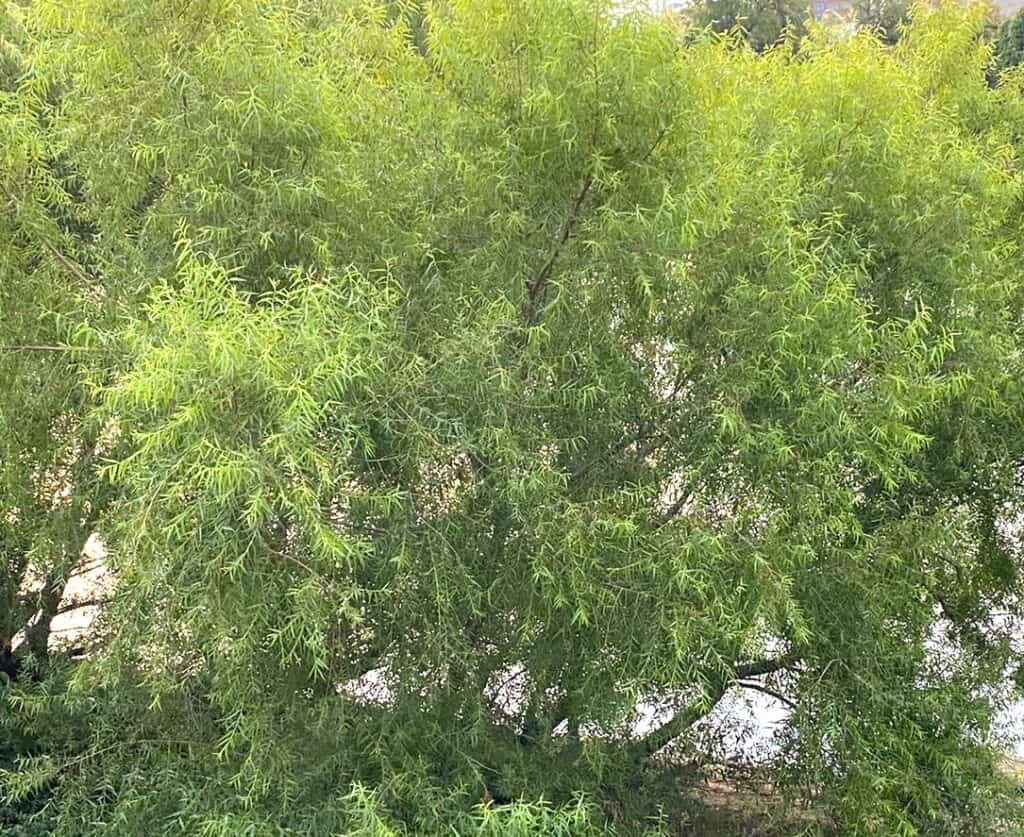
I see this correlating to the plant anatomy of the willow tree, Salix acmophylla and other ssp., riverbank icons whose roots form like fibrous mats, spreading shallowly yet expansively in the soil, anchoring both tree and water’s edge, also easily sprouting an increase of new trees from root nodes. Streams and ravines can become dense with willow species (and likewise, poplars) due to the plants’ culture of “overflowing increase,” not to mention the flowing, graceful branches that willows are known for, bending and flexible in breezes and basket-weaving, giving river-current imagery and grounding the water-identity of the 4 species.
think willow, think water: Willows first alerted Jewish teachers and scholars to the theme of water rooted in celebrating the Feast of Tabernacles
Learn more about growing willow from God’s Word in the Plant Guide
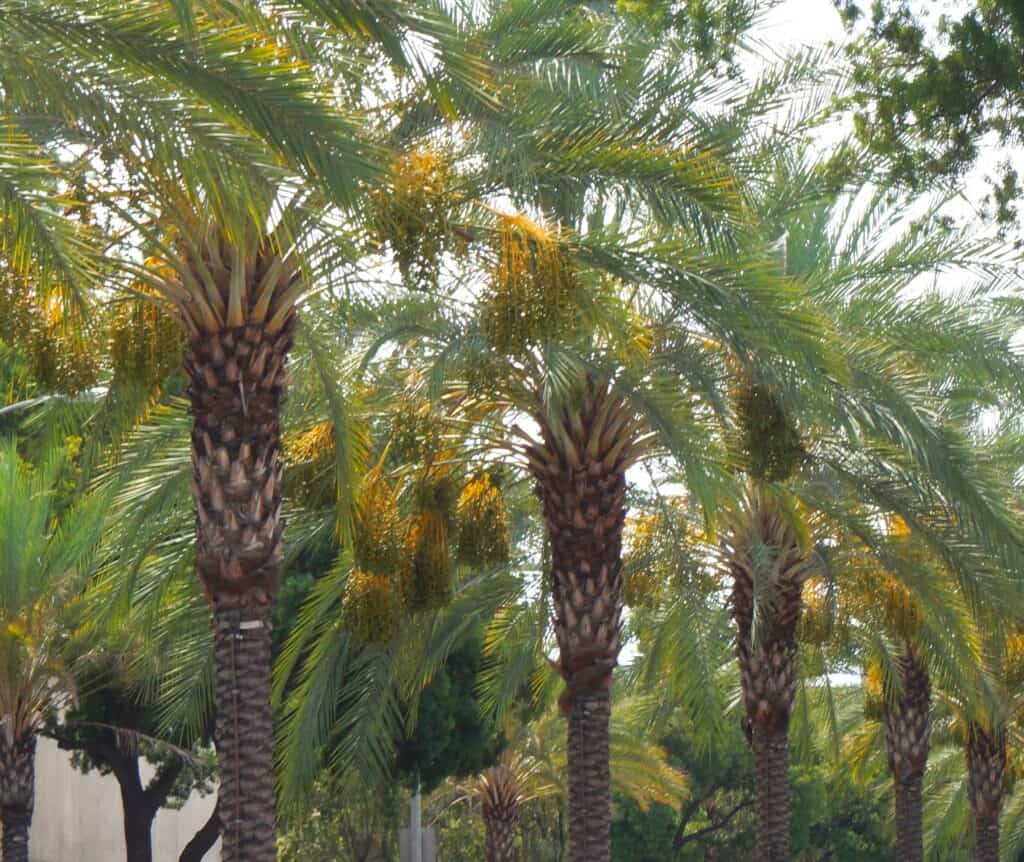
The second river, Gihon, Hebrew word gihone, is a name meaning “bursting forth” from a root word implying gushing, like a geyser, says The Passion Translation, or artesian well. What tree could convey the form of streaming spray from a pillar of surging water? Enter the date palm tree, Phoenix dactylifera, towering on its rustic trunk, with a playful fountain of arching branches bursting as its canopy-crown. Date palms stand tall across the desert landscape, signaling the presence of water, from stream or aquifer, and create sheltering oasis for weary wanderers.
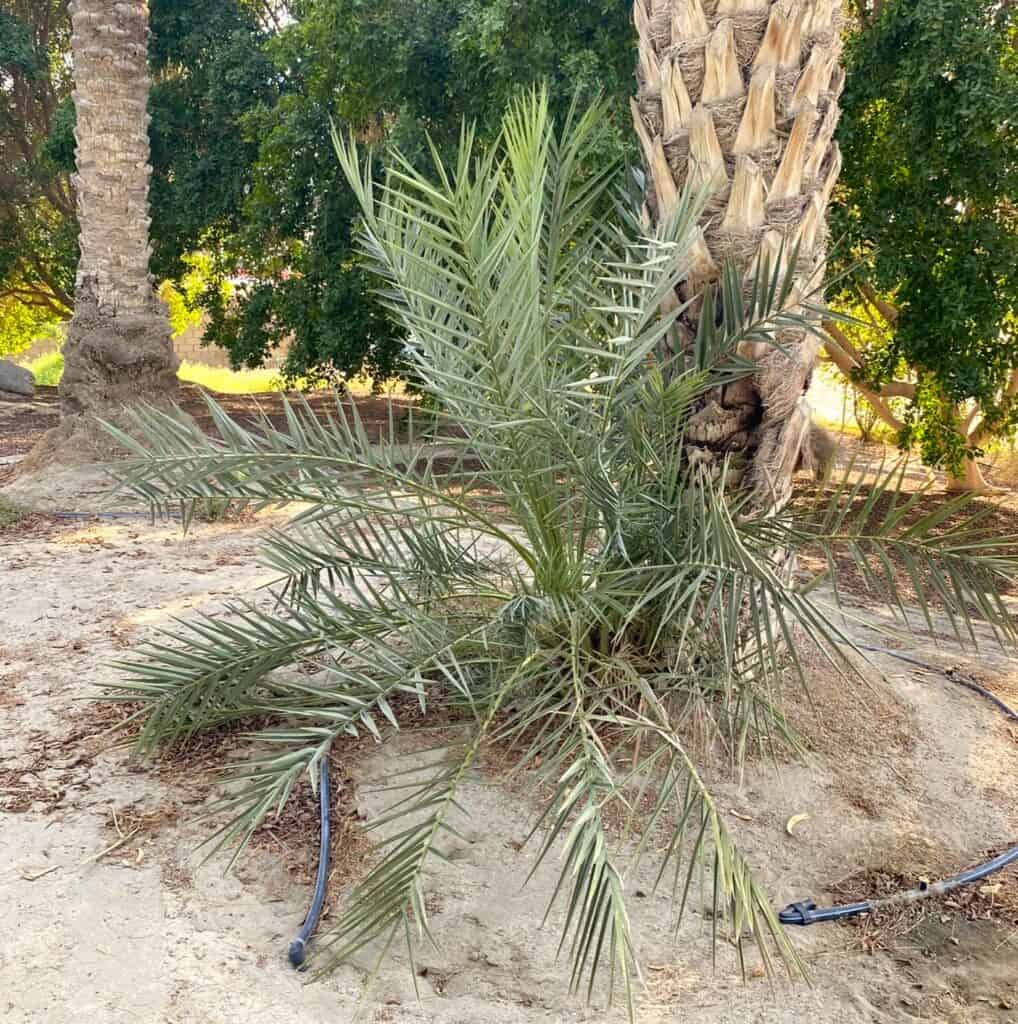
Learn more about date palm with garden to table ideas in the Plant Guide
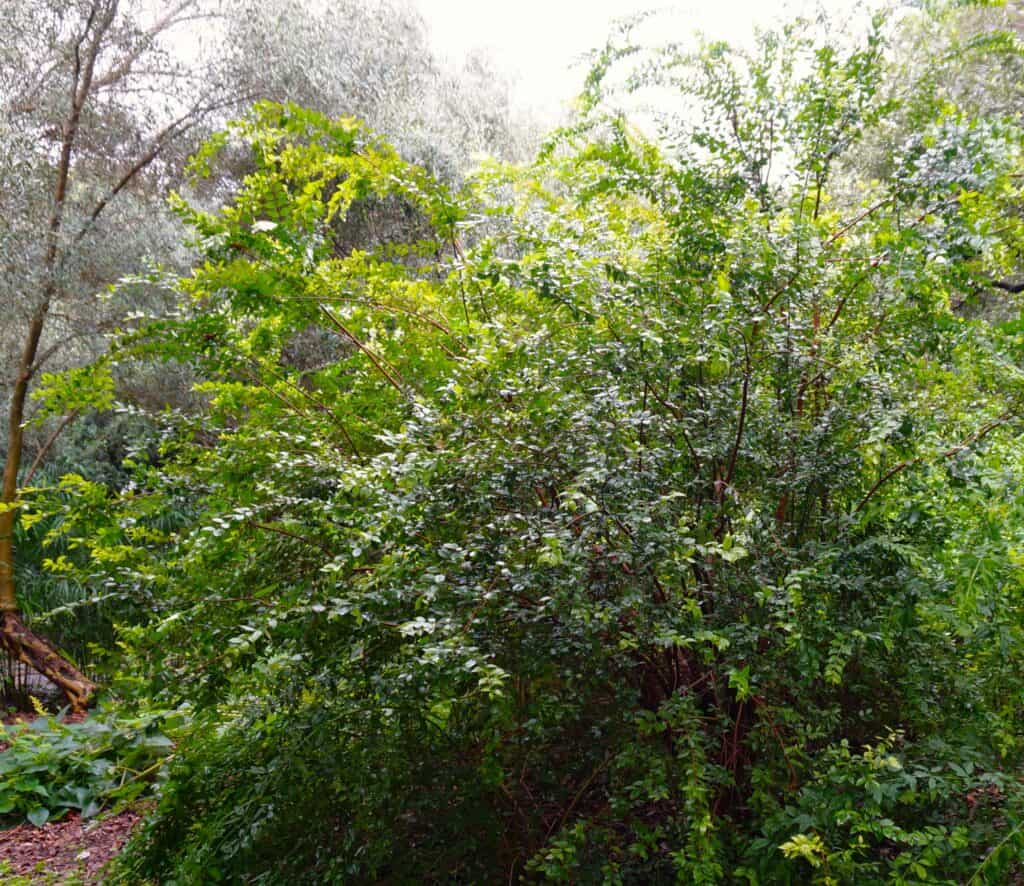
The third river, Tigris, Hebrew name ḥideqel, is a name meaning “rapid,” flowing into the land of Assyria, root word, ‘āšar, implying blessed or successful. This was the definition that caught my attention for this revelation of 4 rivers and 4 species. O joy! I swiftly associated myrtle, Myrtus communis, as a corresponding plant for this river from its horticultural hint of evergreen success. Myrtle gave Queen Esther her name, foretelling her success in saving her people (Esther 8:5-8), and other examples in the Bible show myrtle’s prevailing, turn-to-good promise and prosperity (Isaiah 55:13, Zechariah 1:17).
Cheery, evergreen, sweet-scented myrtle branches suggest every confidence will flow in blessed success, in turn yielding great joy in celebrating this festival (Nehemiah 8:11)
Learn how to grow myrtle in your garden in the Plant Guide
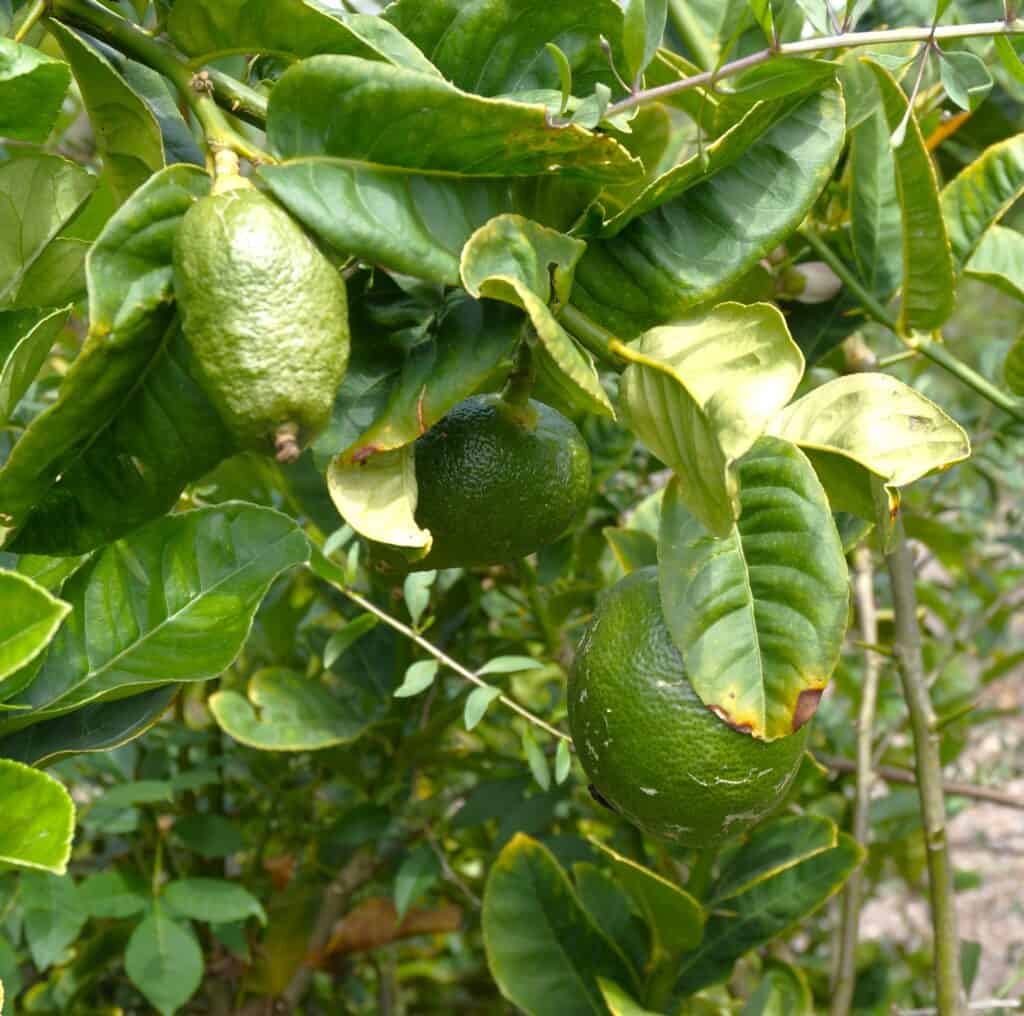
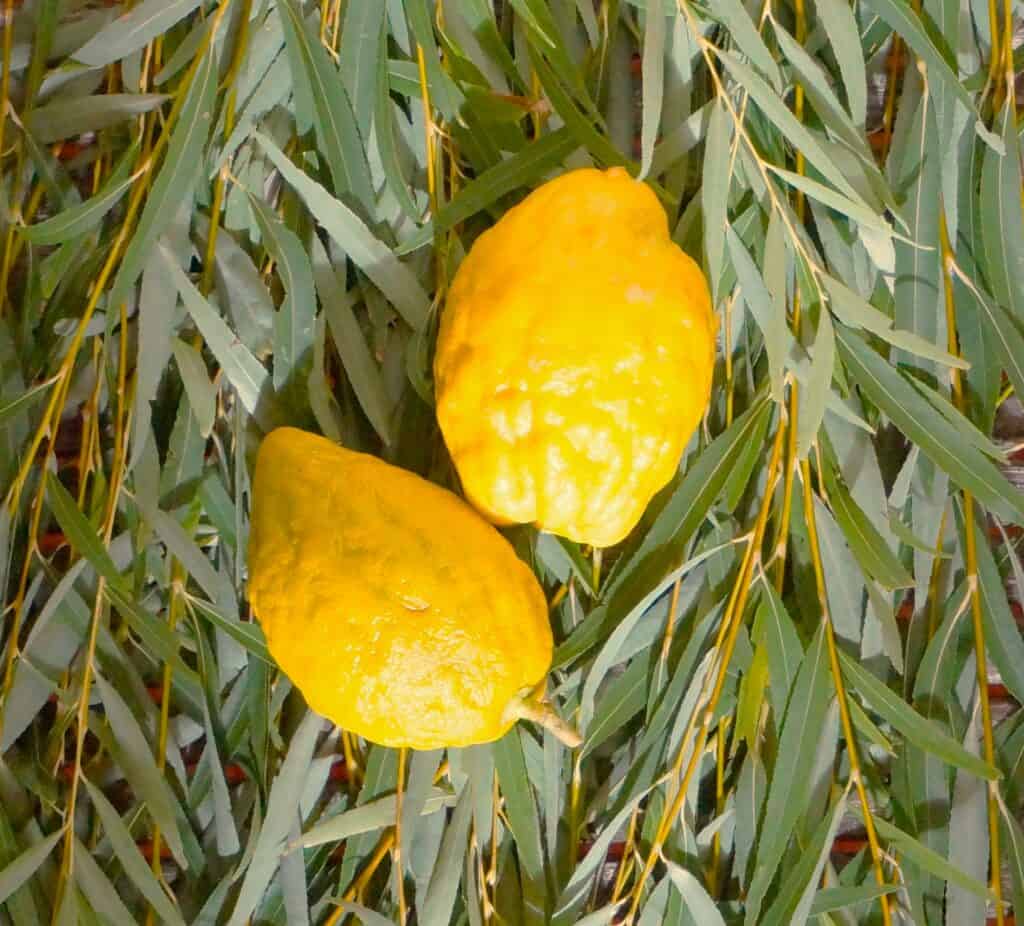
The fourth river, Euphrates, Hebrew name pᵊrāṯ, is a name meaning “fruitfulness;” similar to peri, “fruitful,” the Hebrew word in Leviticus 23:40 initiating the call to gather of these four species together. Does the vivid yellow etrog, or citron, Citrus medica, come to mind? “Fruit of goodly trees” is one of my favorite translations of this species (see Authorized Standard Version or Geneva Bible) resonating the goodness and beauty of evergreen citrus trees, the enchanting scent of their flowers, the fresh zest of their fruit rinds, and flavorful twist the fruits bring to life. Citron is more of a spice than a fruit, a zing of aroma and flavor rather than nutritious hunger quench. The river analogy comes back around as etrog adds a dynamic element to foods in pop of color and flavor flow.
citron fruits on a tree in May, not yet turned vivid yellow – Citrus medica is credited as the forerunner for modern citrus cultivation
Learn more about growing and enjoying citron in the Plant Guide
Jesus and Living Water
Now we can cherish with greater awe the fullness in Jesus’ invitation when he celebrated the Feast of Tabernacles. He drew from the water background of this holiday and proclaimed:
“If anyone is thirsty, let him keep coming to me and drinking! Whoever puts his trust in me, as the Scripture says, rivers of living water will flow from his inmost being!” John 7:37-38 CJB
Jesus’ cry refreshed the crowd with hope of a living-water life, yet His Words had been resounding in revelation across the ages, recorded in the Bible by Isaiah, Ezekiel, John and the psalmists.
For I’ll pour water upon thirsty ground and streams on parched land. So will I pour my Spirit upon your offspring, and my blessing upon your descendants. Isaiah 44:3 ISV
“All you who are thirsty, come to the water!” Isaiah 55:1 CJB
See, He struck the rock, waters gushed out, streams overflowed. Psalm 78:20 TLV
There I observed a stream of water bubbling up from beneath the temple threshold, flowing eastward in the same direction the temple faced….Now the stream of water had become a river, deep enough for swimming….for wherever this water flows everything will come alive! Ezekiel 47:1,5,9 VOICE
He makes His wind blow and waters flow. Psalm 147:18 TLV
“…But whoever drinks of the water that I will give him shall never be thirsty. The water that I give him will become a fountain of water within him, springing up to eternal life!” John 4:14 TLV
Come. Let everyone gripped with spiritual thirst say, “Come.” And let everyone who craves the gift of living water come and drink it freely. “Come.” Revelation 22:17 TPT
May Jesus’ cry and the prophets’ revelations wet our appetite for life in the Holy Spirit, a beckoning amplified by the names of the 4 rivers: a life of overflowing increase, gushing, rapid success and fruitfulness!
Let the rivers clap their hands Psalm 98:8 NIV
Closing Prayer
O Father, holy is Your Name and majestic is Your Word! Thank You for a new view to Your “old,” or rather eternal, Words (Matthew 13:52). Fresh revelation comes to splash us with excitement and revive our weary, wandering hearts and remind us not to dwell in the doldrums but reconnect constantly to Your sparkling movement. You are good and all You do is good (Psalm 119:68) and You have granted us success (Psalm 118:25). You always lead us in triumph (2 Corinthians 2:14), a triumph we can trust. The truth is: You tabernacle with us (Leviticus 26:11, Isaiah 7:14, Ezekiel 37:27, Revelation 21:3). May I decorate my garden and table with remembrances, leafy boughs and much fruit, knowing You are with us in every direction and forever. Thank You, O Immanuel—in the midst and flow of Your garden goodness and beauty, I simply thank You. In Jesus Name I pray, Amen.
Everything you do is beautiful, flowing from your goodness. Psalm 119:67 TPT

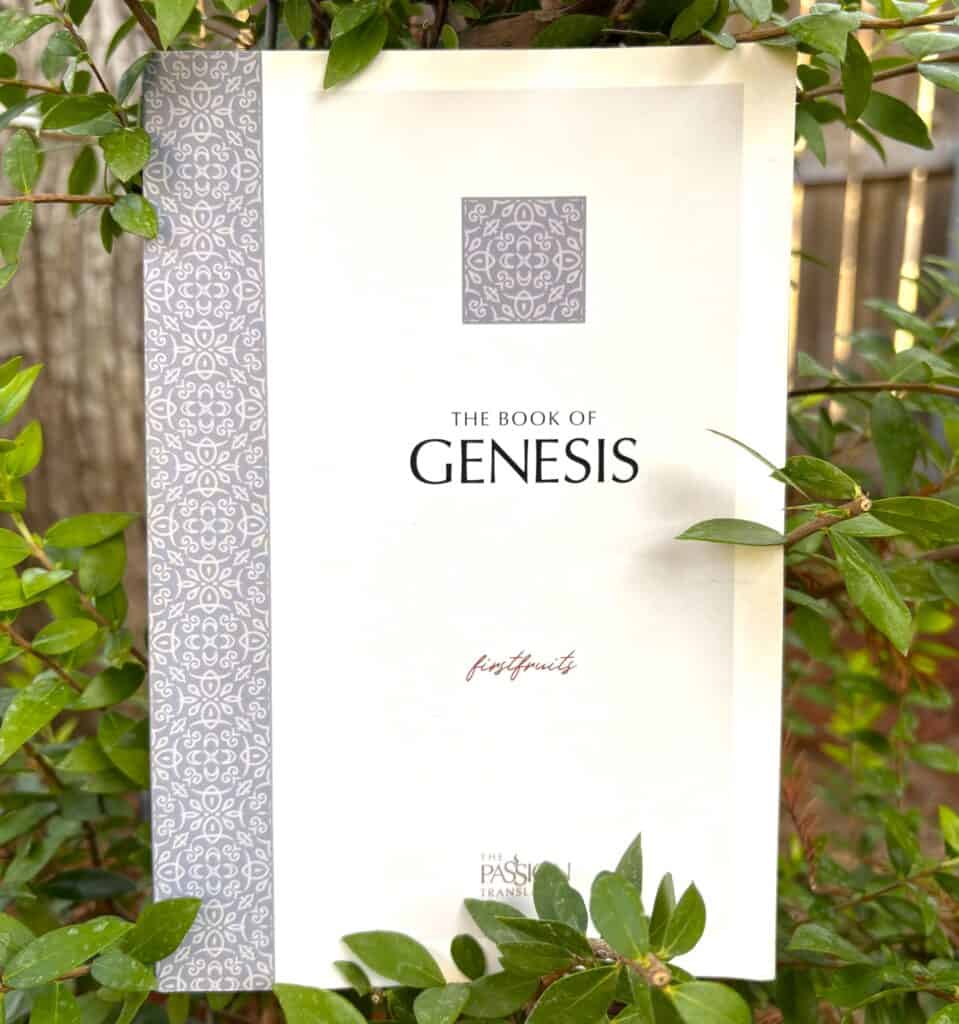
I highly recommend The Book of Genesis: Firstfruits from The Passion Translation®, registered trademark of Passion & Fire Ministries, Inc. (Savage, Minn.: Broadstreet Publishing, 2020). Genesis 2:10-14 and wonderfully insightful notes on page 13. Thank you, translators! What a blessing I received from your work.
Many homilies and Jewish teaching surround “The Four Species,” and I humbly offer this revelation to add to the mix. Here is a great overview at www.aish.com: Lulav, Etrog & The Four Species of Sukkot and internet searches will surely yield more!
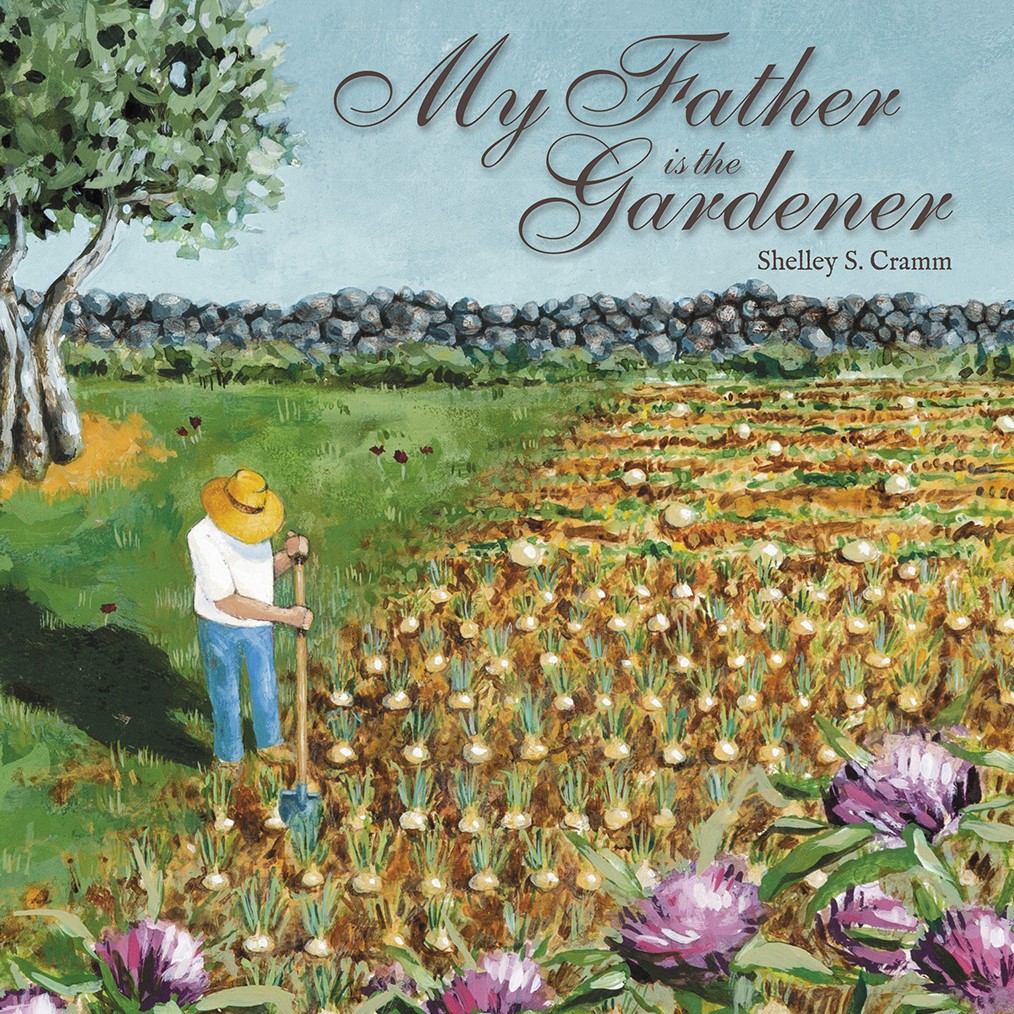
Do you enjoy learning about plants of the Bible and connecting your garden work to God’s Word? My Father is the Gardener is a devotional book for you! BUY NOW
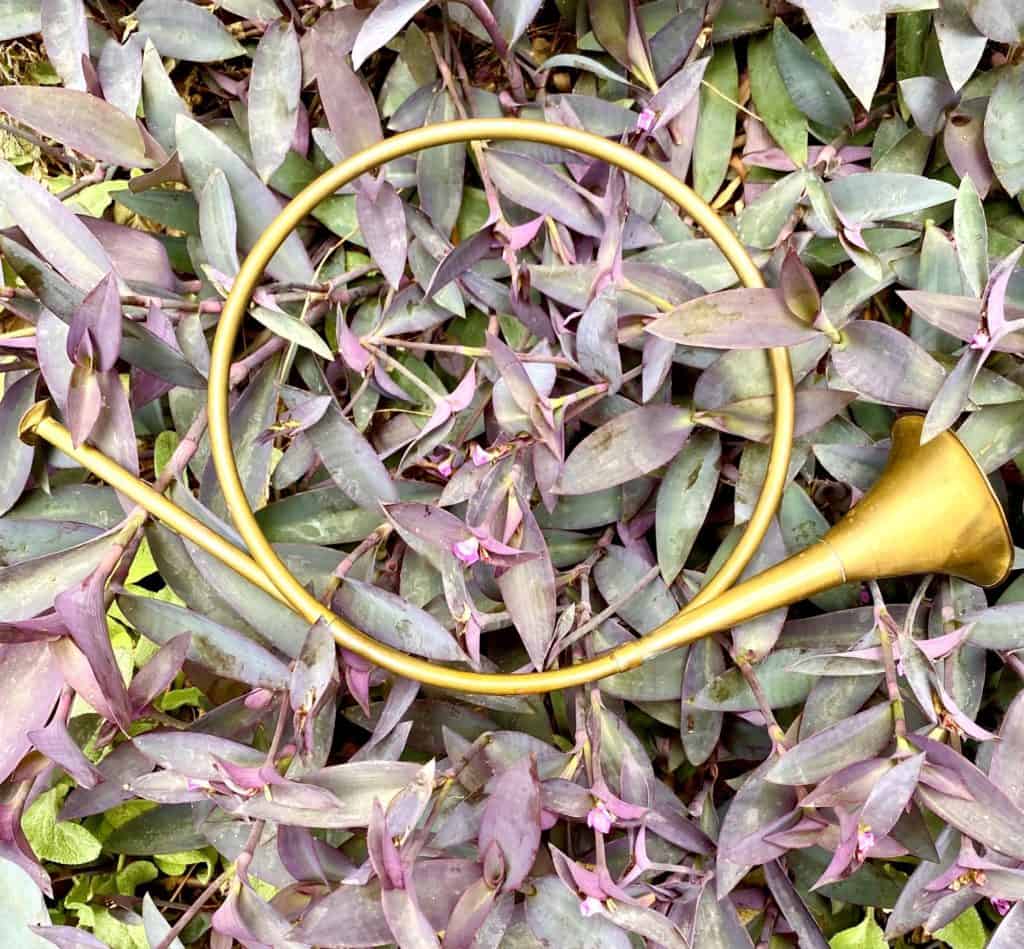
Engage your gardening love with the Biblical Feasts in these Devotions Blogs: Sounding in the Poplar Trees, Palm Branches Praise, Wanderer, Come Home, Let There Be Light & more
Fall more in love with the poetry of God’s Word and the plants of the Bible in the A-to-Z Primer of Plants from God’s Word, including D is for Date Palm and Y is for mYrtle
Photo Credits: Traditional lulav ID 98786588 © Tomert | Dreamstime.com Jewish festival of Sukkot. Traditional symbols & The four species; all other photos ©Shelley S. Cramm. Willows photographed in downtown Grand Rapids, MI; date palms snapshot from downtown Pasadena, CA; baby palm branches taken at Shield’s Date Garden, Indigo, CA; myrtle photographed at San Antonio Botanic Garden (it has since died L); and citron photographed at South Coast Botanic Garden
CJB notes Scripture quotations taken from the Complete Jewish Bible by David H. Stern. Copyright © 1998. All rights reserved. Used by permission of Messianic Jewish Publishers, 6120 Day Long Lane, Clarksville, MD 21029. www.messianicjewish.net.
ISV denotes Scripture quotations from The Holy Bible: International Standard Version. Release 2.0, Build 2015.02.09. Copyright © 1995-2014 by ISV Foundation. ALL RIGHTS RESERVED INTERNATIONALLY. Used by permission of Davidson Press, LLC.
NCV denotes Scripture quotations taken from the New Century Version®. Copyright © 2005 by Thomas Nelson. Used by permission. All rights reserved.
NIV denotes Scripture quotations taken from the Holy Bible, New International Version®, NIV®. Copyright © 1973, 1978, 1984, 2011 by Biblica, Inc.® Used by permission of Zondervan. All rights reserved worldwide. www.zondervan.com The “NIV” and “New International Version” are trademarks registered in the United States Patent and Trademark Office by Biblica, Inc.®
TLV denotes Scripture quotation taken from Tree of Life (TLV) Translation of the Bible. Copyright © 2015 by The Messianic Jewish Family Bible Society.
TPT denotes Scripture quotations taken from The Passion Translation®. Copyright © 2017, 2018, 2020 by Passion & Fire Ministries, Inc. Used by permission. All rights reserved. ThePassionTranslation.com
VOICE denotes Scripture quotations taken from The Voice™. Copyright © 2012 by Ecclesia Bible Society. Used by permission. All rights reserved.


