
Let’s celebrate this monumental summer with the season’s best pastime—besides gardening, of course—Reading! Summer is a great time to stock up on garden books, especially for those of us with gardens too steamy to work on weekend afternoons. For a seasonal pause to rest and rejoice in God’s goodness, I present The Kitchen Garden by Dr. Toby Musgrave, a coffee-table worthy textbook of working gardens equally gorgeous and nourishing.
If you love the melodic page-turning of periodical photography, if enthralling images teach you as much as written copy does, you will love The Kitchen Garden. Glossy pages reveal the great, edible landscapes of our era, and each garden is detailed with mission-revealing descriptions. Additionally, glean know-how from a handful of essays on topics like espalier for fruit trees, protected cropping techniques, and the importance of incorporating organic matter into garden soil.
No plans for summer travel overseas? Let The Kitchen Garden photography whisk you away on an captivating journey of garden sight-seeing, with engaging views from Norway to France—through the author’s homeland of England, naturally—to Spain to South Africa to Singapore and more, including Kew’s kitchen garden at the Royal Botanical Gardens, O my!
The Heart of the Kitchen Garden
What is a kitchen garden? Simply, a garden that feeds us. That is, feeds us with goodness, preferably in a handy manner, located close to the…kitchen. But so much more!
My understanding of a kitchen garden is probably much too poetic: It implies movement, from garden to table; a rejoicing in all that inspires and delights in the garden by bringing its foliage, flowers, and produce to process for sautéing, steeping, garnishing, spicing, making savory and sensational meals, marrying our fantastic backyard satisfaction with breakfast, lunch, and dinner.
At its very heart, the kitchen garden is an expression of the psalmist’s decree:
Taste and see the Lord is good. Psalm 34:8 NIV (emphasis mine)
As a gardener, it is simply not enough to gaze upon the beauty of the garden, or even to work it and take care of it: The ultimate encounter is to feast! To ingest it…to let it become us, in all the nuance of meaning that might be. It’s full of possibility!
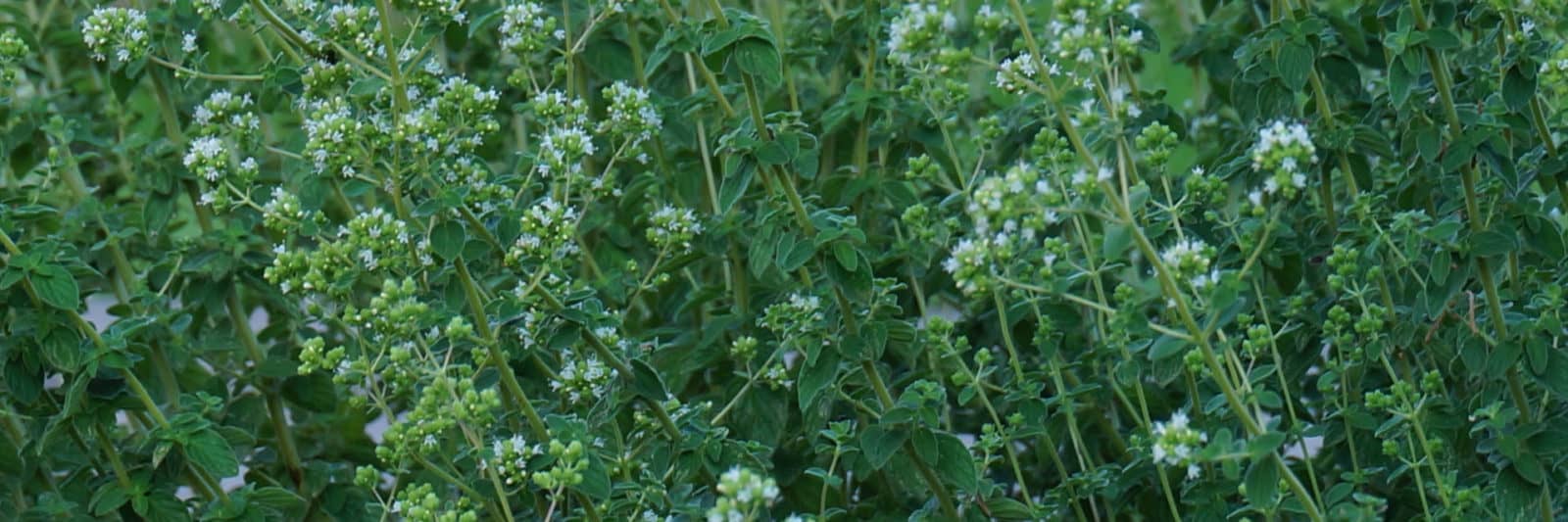
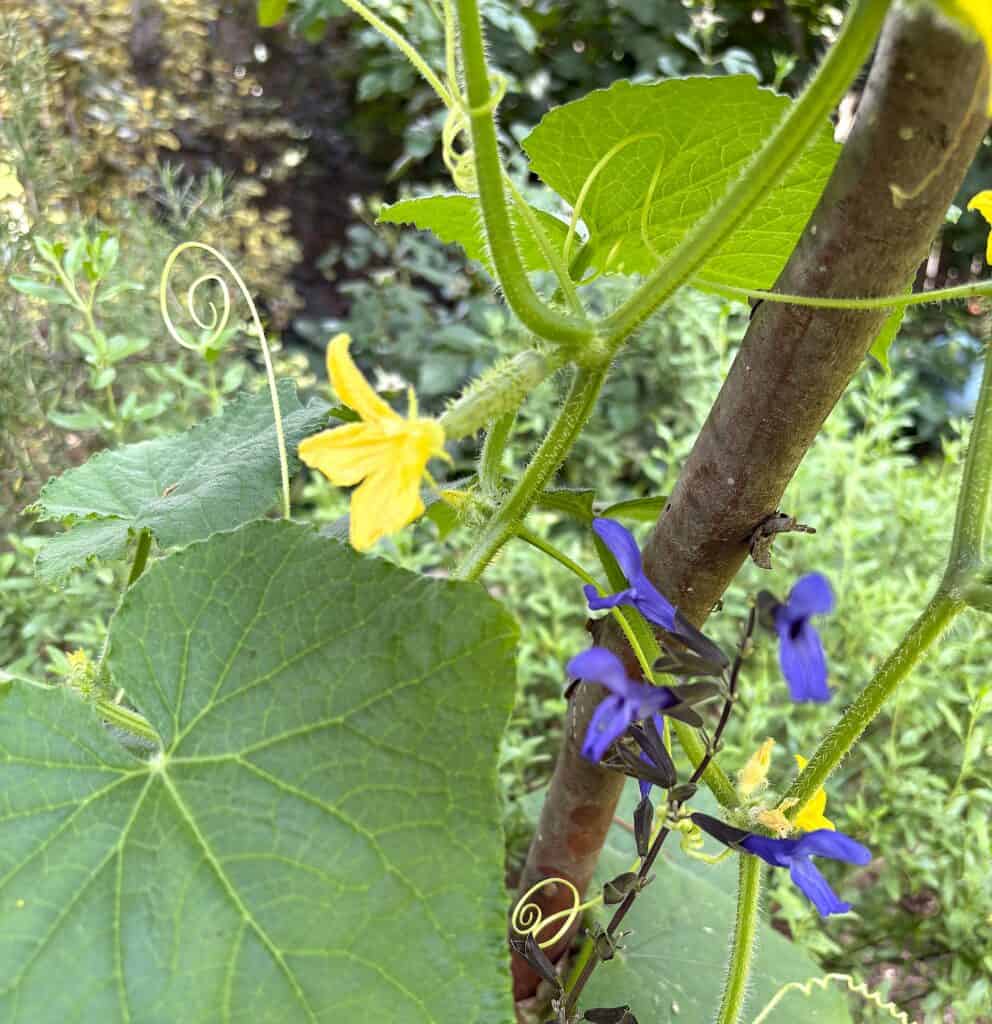
My point of view comes from being an ornamental home landscaper turned obsessive—planting herbs and getting carried away to cucumbers and beyond. However, a kitchen garden equally meets those who farm and grow at a macro, agronomic scale who need merely a few rows of plantings at fingers’ reach, for fresh meals at the end of all-consuming, cultivating workdays.
From whichever direction you come, or whatever level of devotion possesses you, The Kitchen Garden is ready to inspire.
Kitchen Gardens in the Bible
The only thing missing from this magazine-style survey? Kitchen garden references from the Bible. While Dr. Musgrave details the history of this garden genre, citing Homer, Roman texts from the first century AD, and practices in ancient Egypt, he leaves out the Biblical record that helps to establish the kitchen garden as an ancient form of gardening. Let’s set the record straight!
In the Bible, the first kitchen garden was the first garden…
Then God planted a garden in Eden, in the east. He put the Man he had just made in it. God made all kinds of trees grow from the ground, trees beautiful to look at and good to eat. Genesis 2:8-9 The Message
The beauty and wonder of the fruited groves showcased God’s desire to feed His people. His Presence with them nourished spirit as well as body, a quality perhaps humans will always long for in the landscape?
Moving forward, Cain worked the soil (Genesis 4:2), and Noah planted a vineyard (Genesis 9:20), but the first formal reference to a vegetable garden came from the Israelites’ life in ancient Egypt, confirming Dr. Musgrave’s historical report.
The land you are going to take is not like Egypt, where you were. There you had to plant your seed and water it, like a vegetable garden, by using your feet. Deuteronomy 11:10 NCV
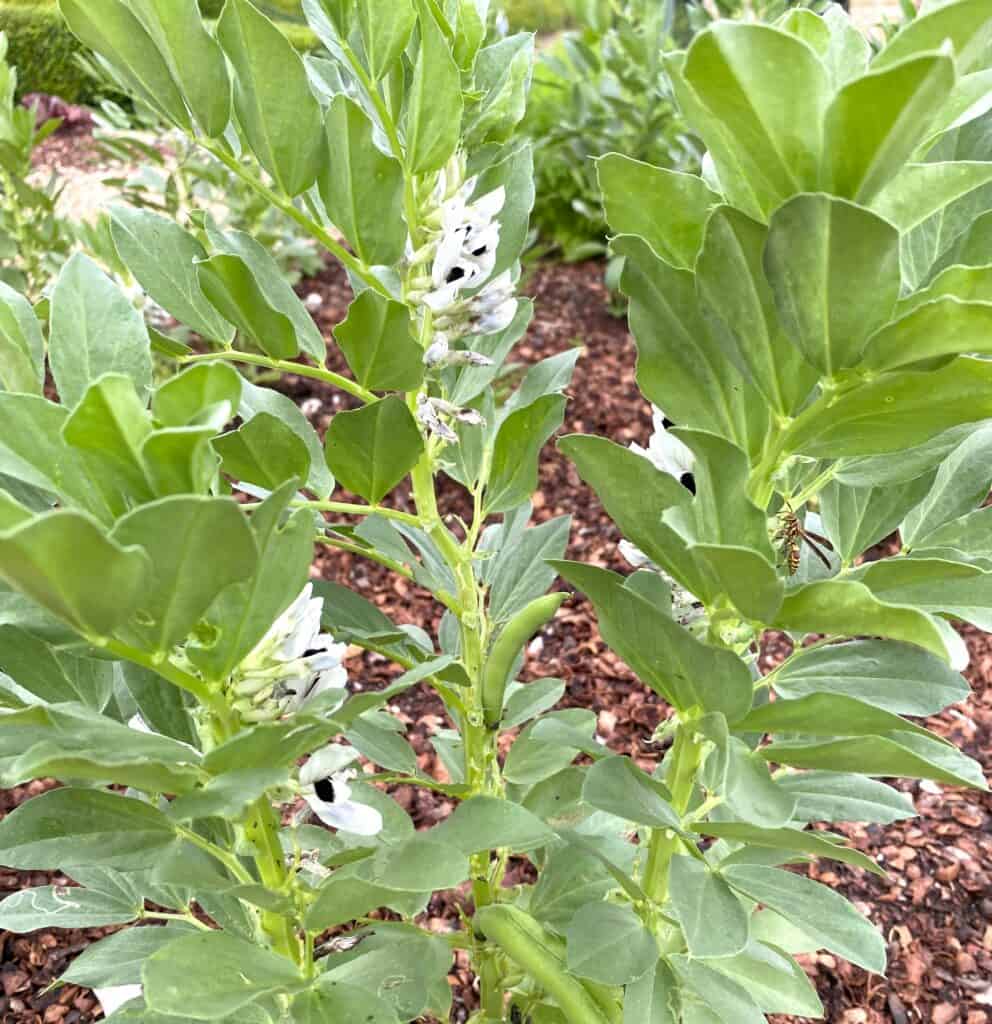
What was grown in these vegetable gardens? Though specific plants were not named, we have their wistful complaints later, from the Israelites’ wandering life in the Sinai Desert, which revealed their former cultivated diet:
We remember the fish we ate in Egypt for nothing, the cucumbers, the melons, the leeks, the onions, and the garlic Numbers 11:5 RSV
As the delivered people settled into the land that the Lord promised to their ancestors, approximately five centuries pass, a history interwoven with references to agrarian life including grain fields, olive orchards, and vineyards; though without direct mention of edible gardens, until King Solomon told of his garden work.
I did great things. I built houses for myself. I planted grape-fields for myself. I made gardens and beautiful places for myself, and planted in them all kinds of fruit trees. I made pools of water for myself from which to water many new trees. Ecclesiastes 2:4-6 NLV
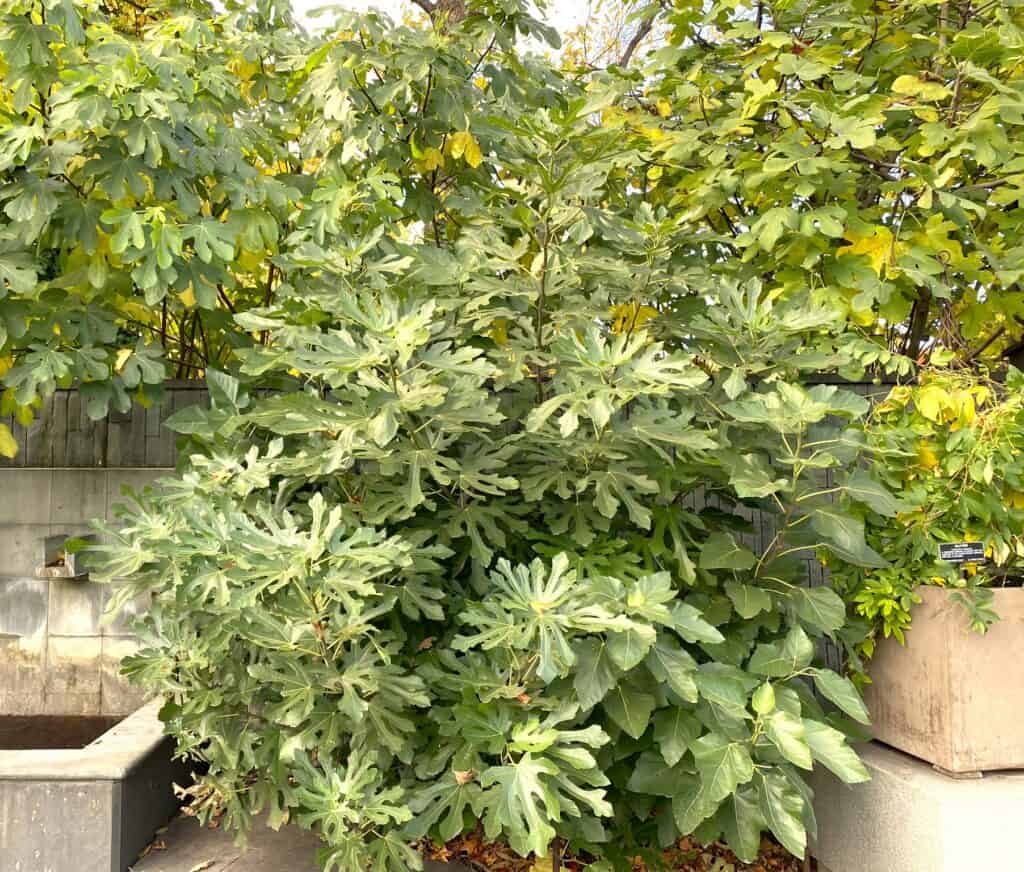
This “everyone under their own vine and fig tree” king stands out as the most avid kitchen gardener of Scripture, championing the cause of growing food for one’s own household, showing more glimpses of his garden delight in Song of Songs.
My beloved is gone down into his garden, to the beds of spices, to feed in the gardens, and to gather lilies. Song of Songs 6:2 KJV
From King Solomon until the Israelites’ exile in the sixth century BC, prophets made a few references to the continuing practice of personal gardens to grow one’s food, a way of life they were to carry on in their return to captivity.
The Lord Almighty, the God of Israel, says to all those people whom he allowed Nebuchadnezzar to take away as prisoners from Jerusalem to Babylonia: ‘Build houses and settle down. Plant gardens and eat what you grow in them…’ Jeremiah 29:4-5 GNT
Finally, by the first century AD, the gospels mention kitchen gardens; Jesus highlighted planting gardens in a teaching and a reproach to religious leaders.
How terrible for you Pharisees! You give God one-tenth of even your mint, your rue, and every other plant in your garden. But you fail to be fair to others and to love God. Luke 11:42 NCV
So he went on to say, “What is the Kingdom of God like? With what will we compare it? It is like a mustard seed that a man took and planted in his own garden, and it grew and became a tree, and the birds flying about nested in its branches. Luke 13:18-19 CJB
In the joys of cultivating good things to eat in our own gardens, have we suspected all along that we were patterning the Kingdom of God?
The Kitchen Garden Views
Back to the beauty of this new book, some of my favorite pages include snapshots of checkered green and red lettuce beds (page 150) and bold colored terra cotta pots of tulips punctuating vegetable rows in spring (page 148 ). Spy a rhythmic display of repurposed organ pipes bringing harmony to tasty plantings (page 104), and the “rustic charm” of tree-branch tee-pees lending climbing vines support (page 142).
Bible gardeners, you will find some of our old friends peppering the pretty pages: Scenes from an olive harvest (page 211), a pruned-to-perfection vineyard (page 198), ever-popular potted mint (page 170), profuse plantings of fennel (page 136), a fantastically espaliered apple tree tunnel (page 102), plump-near-harvest onion beds (page 90), forever unifying edgings of boxwood (page 193 and many more), and a just-learning view of progressing compost (page 120). And who can count all the mustard family greens that must be populating salad sections?
Closing Prayer
O Lord, thank You for the blessings You put in our lives, especially gardens to grow that plant us poignantly in Your goodness, pointing towards Your forever care to feed us. Your creativity abounds in a garden, even more so in a kitchen garden where we not only arrange all kinds of tasty plants and nurture their growth in a pleasing way, but plan for fresh, fabulous meals straight from the soil. You love feasts and celebrations, Lord! Help me cultivate the reality of Your overflowing goodness in my life, matched with justice and love for You. May my kitchen garden or the ones that I visit be forever invitations to Your Kingdom. I pray to remember this when summer heats up and gardening gets uncomfortable, or in any other difficulties: You nourish me to endure. In Jesus’ Name I pray, Amen.
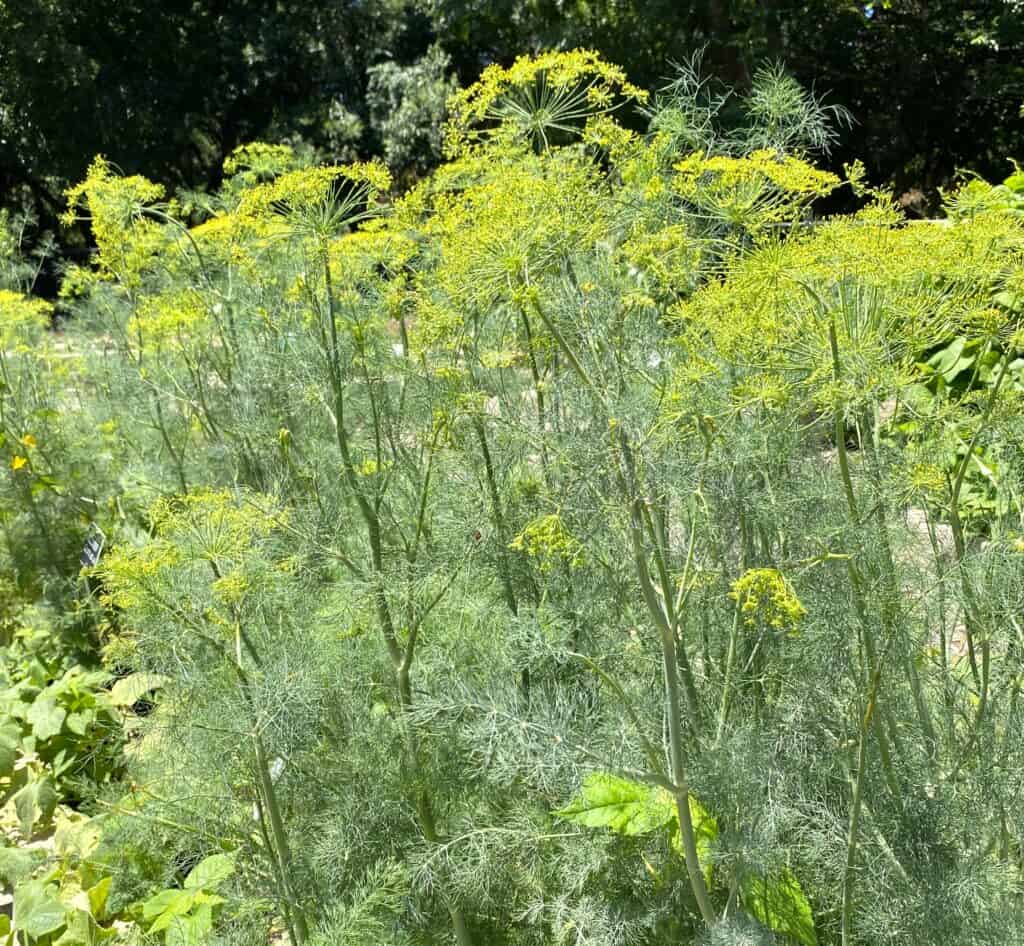
I will bring my people back to their land. They will rebuild their ruined cities and live there; they will plant vineyards and drink the wine; they will plant gardens and eat what they grow. Amos 9:14 GNT

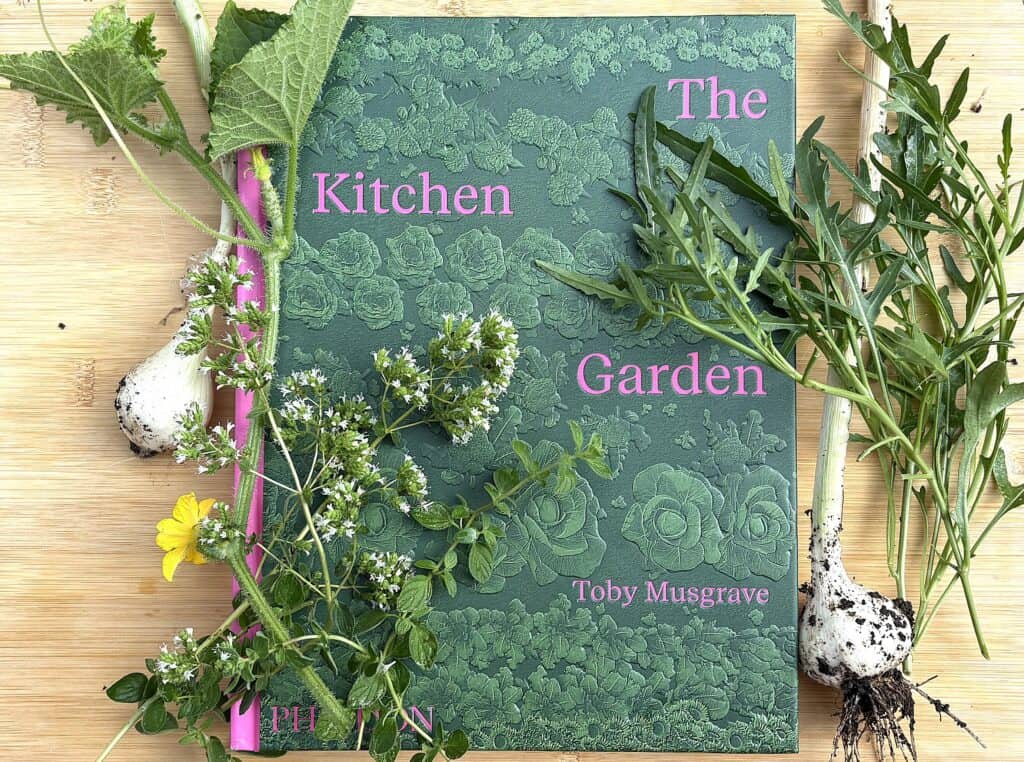
The Kitchen Garden by Dr. Toby Musgrave (London: Phaidon, 2026). Many thanks to Kindall Gant at Phaidon who sent me a copy of The Kitchen Garden for review. Look online at The Kitchen Garden | Standard Edition | 9781837290949 – Phaidon

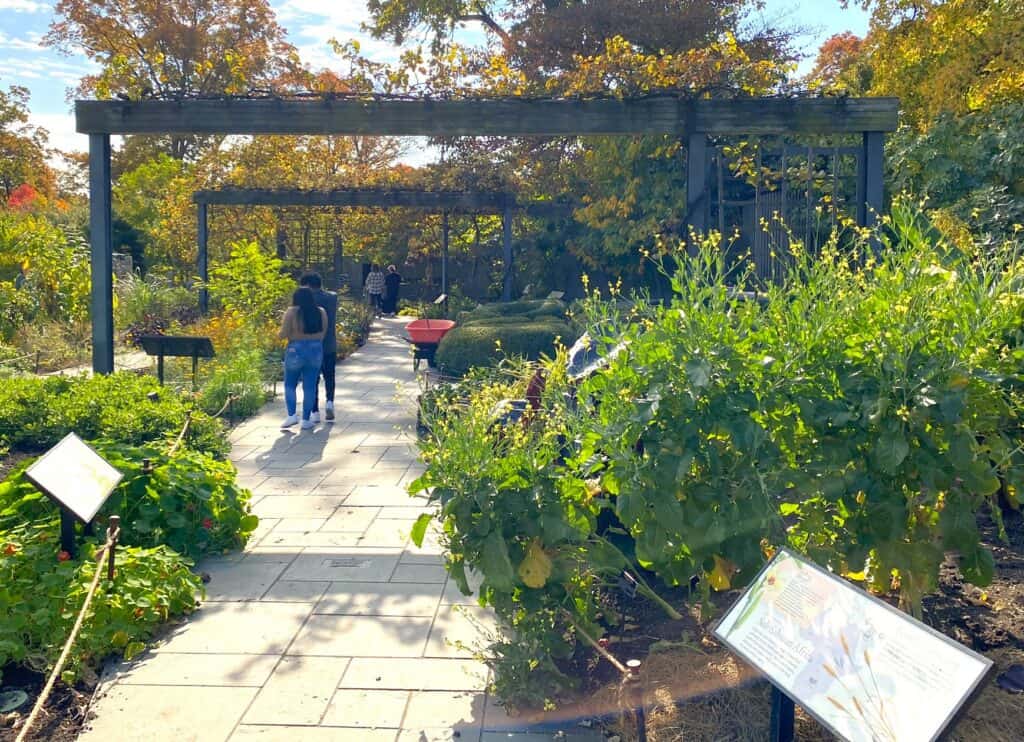
Do you have a favorite kitchen garden near you? I love A Tasteful Place at the Dallas Arboretum, read more about cultivating vegetables in beautiful ways in my Devotions Blog review from its opening in 2017. I’m sure Dr. Musgrave would love it, too!
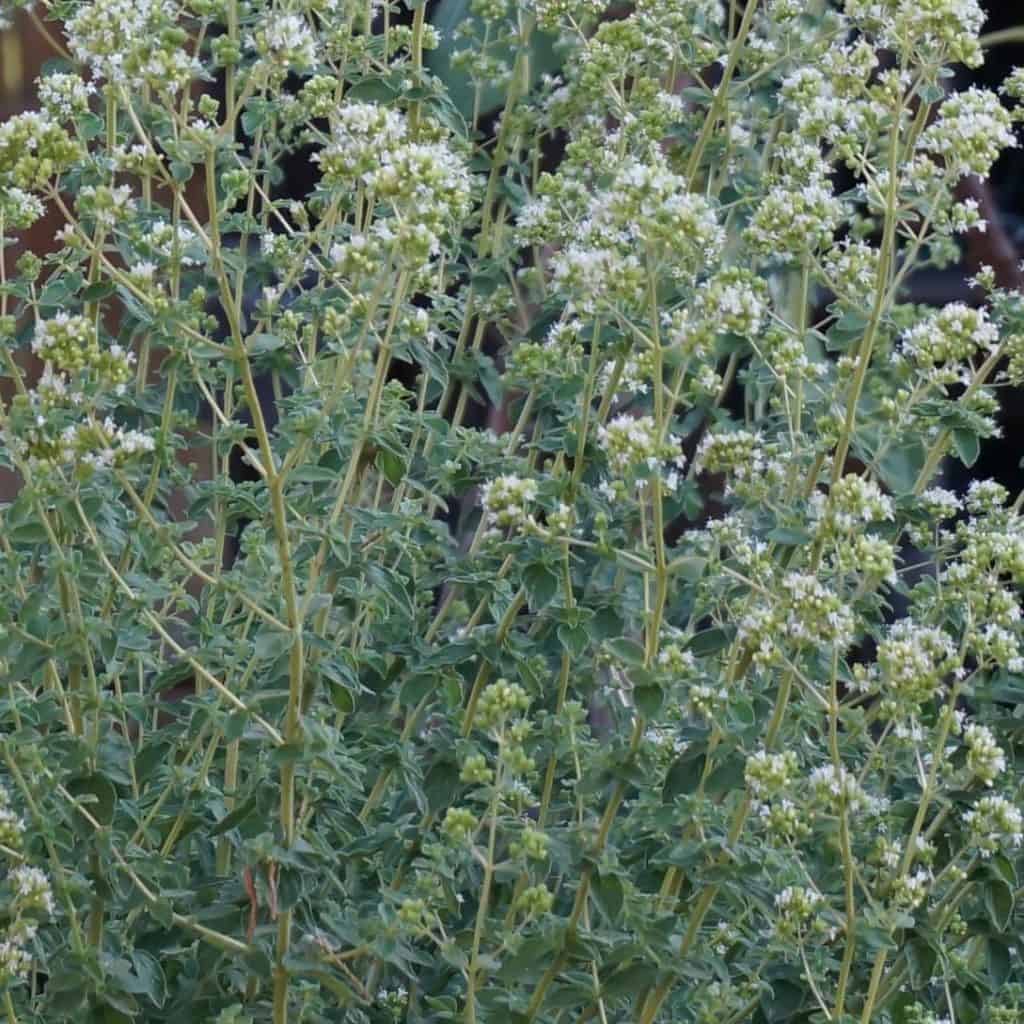
Read more Book Reviews in the Devotions Blog Book Review. Also enjoy seasonal book suggestions in the “From the Nightstand” section of Garden in Delight News @ Substack
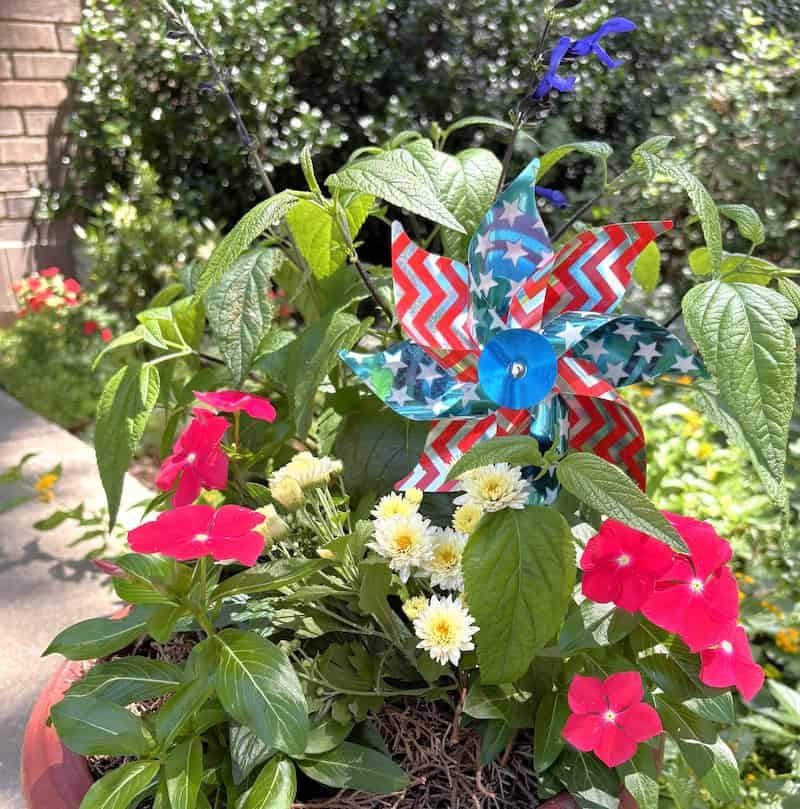
Happy Summer! Garden in Delight celebrates America’s 250th Birthday! Enjoy these Devotions Blogs for patriotic, faith & gardening fun: The Bible’s Red, White, and Blue, Sacred Gardens in DC, All the Presidents’ Gardens Book Review, America’s Bible Gardens, and Parable of the Sower Revival Prayer Guide. Blessed is the nation whose God is the Lord. Psalm 33:12

Plant edibles from the Bible in your own kitchen garden – find more information in the Plant Guide under “Plants to Taste”
Photo Credits: ©Shelley S. Cramm
CJB notes Scripture quotations taken from the Complete Jewish Bible by David H. Stern. Copyright © 1998. All rights reserved. Used by permission of Messianic Jewish Publishers, 6120 Day Long Lane, Clarksville, MD 21029. www.messianicjewish.net.
GNT denotes Scripture quotations from the Good News Translation® (Today’s English Version, Second Edition) Copyright © 1992 American Bible Society. All rights reserved.
KJV denotes Scriptures taken from The Holy Bible, King James Version published in 1611, authorized by King James I of England, which is public domain in the United States.
The Message denotes Scripture quotations taken from THE MESSAGE, copyright © 1993, 2002, 2018 by Eugene H. Peterson. Used by permission of NavPress. All rights reserved. Represented by Tyndale House Publishers, a Division of Tyndale House Ministries.
NCV denotes Scripture quotations taken from the New Century Version®. Copyright © 2005 by Thomas Nelson. Used by permission. All rights reserved.
NIV denotes Scripture quotations taken from the Holy Bible, New International Version®, NIV®. Copyright © 1973, 1978, 1984, 2011 by Biblica, Inc.® Used by permission of Zondervan. All rights reserved worldwide. www.zondervan.com The “NIV” and “New International Version” are trademarks registered in the United States Patent and Trademark Office by Biblica, Inc.®
NLV denotes Scripture quotations taken from the New Life Version, copyright © 1969 and 2003. Used by permission of Barbour Publishing, Inc., Uhrichsville, Ohio 44683. All rights reserved.RSV denotes Scripture quotations taken from the Revised Standard Version of the Bible, copyright © 1946, 1952, and 1971 the Division of Christian Education of the National Council of the Churches of Christ in the United States of America. Used by permission. All rights reserved.


